
The Psychology Behind Bonus Offers: What Really Works
Why bonus offers work: discover how psychology, reward systems and scarcity influence customer behaviour and strengthen loyalty.

Bonus offers have become a fixed part of modern marketing strategies. Whether in online retail, apps or entertainment platforms, we encounter promotions such as welcome bonuses, vouchers or exclusive discounts everywhere. At first glance, they look like a pure gift, but in reality they are the result of finely tuned psychological mechanisms.
These strategies are particularly effective in digital environments, which are also booming in Austria. They tap into basic behaviour patterns that work in similar ways for almost everyone. Platforms that rely on digital innovation – including providers such as Mr Bet Casino – use psychological triggers in a targeted way to motivate users to stay longer and be active more often. But which mechanisms make bonus offers so effective?
Reward systems and the feeling of control
People react strongly to rewards. Even small benefits activate the brain’s reward centre, trigger feelings of happiness and encourage us to repeat the behaviour. This is exactly where bonus offers come in: they create extra motivation to use a product or try out a platform.
It is interesting that the size of the reward is not the only factor that matters. A small bonus is often enough if it is offered at the right moment. Users feel confirmed that they have made the right decision. This kind of positive reinforcement strengthens the bond with the brand.
Bonus promotions also create a feeling of control. Customers believe they have gained an advantage through their decision, even if the promotion was available to everyone. This psychological pattern is known as the “illusion of control” and increases satisfaction even more.
Scarcity and exclusivity as drivers
Another powerful factor is the principle of scarcity. Offers that are limited in time or quantity create artificial pressure. Users do not want to miss the opportunity, which leads to quick decisions.
Exclusivity plays a similar role. When bonus promotions are only available to certain groups, such as new customers or members of a VIP programme, the perceived value of the reward rises. The bonus signals not only a material benefit but also a sense of belonging to a special community.
In Austria, where competition is intense in many industries, companies make strong use of these mechanisms. With personalised offers, they can reinforce the feeling that the bonus is tailored to the individual. This creates an even closer emotional bond with the provider.
The power of loss aversion
A central principle of behavioural psychology is loss aversion. People perceive the loss of something valuable more strongly than a gain of the same amount. Bonus offers often make direct use of this effect.
For example, a voucher that must be redeemed within a few days has a stronger impact than an unlimited offer. The looming loss of the opportunity is more motivating than the prospect of the gain. This principle explains why time-limited bonuses or exclusive discounts are so successful.
Many providers also combine loss aversion with gamification elements. Points, levels or progress bars create the feeling that users have already invested something. If they stop, they do not only lose the bonus but also their progress so far. This further increases the incentive to continue.
Transparency and trust as success factors
No matter how effective psychological mechanisms are, they only work sustainably when they are linked with trust. Customers react sensitively to hidden conditions or complicated rules. A bonus that looks attractive at first but then loses credibility due to high hurdles will damage the provider in the long run.
Transparency is therefore crucial. Companies that communicate clearly which conditions apply build trust and increase the likelihood that customers will return. In Austria, consumers place particular value on fairness, which companies must consider when designing bonus promotions.
Consistency of offers also plays a role. Those who regularly receive honest, transparent bonuses develop a positive basic attitude towards the brand. This reduces the impact of short-term competitive campaigns because the long-term relationship is stronger.
Examples of psychologically effective bonus strategies
In practice, bonus offers are most successful when they address several psychological mechanisms at the same time.
- Welcome bonuses: Use the reward effect and create a positive first experience.
- Loyalty programmes: Strengthen the feeling of belonging and make use of gamification.
- Time-limited discounts: Create scarcity and trigger loss aversion.
- Personalised vouchers: Increase perceived value through exclusivity.
- Transparent cashback models: Build trust and support long-term loyalty.
These strategies show that bonus offers are far more than simple marketing tools. They are based on solid psychological insights that are deliberately built into their design.
Psychology as the driving force behind bonus offers
Bonus offers do not work by chance. They are the result of a deliberate use of psychological principles. Reward systems, scarcity, exclusivity and loss aversion are the key mechanisms that shape our behaviour. Used wisely, they can motivate customers, build loyalty and inspire them over the long term.
This applies not only to digital platforms or retail but also to areas such as the marketing of accommodation in Italy, where personalised bonuses and targeted incentives can significantly increase the willingness to book.
For Austria, this means that companies which develop psychologically smart bonus strategies secure a clear advantage. At the same time, they cannot neglect transparency. Only when customers see a bonus as fair and trustworthy will it reach its full potential.
It becomes clear that bonus offers are not a mere box-ticking exercise in marketing but a powerful tool. Those who understand how they work can achieve more than short-term lifts in sales. They can build lasting customer relationships. The psychology behind bonuses is the key to their real success.
More articles
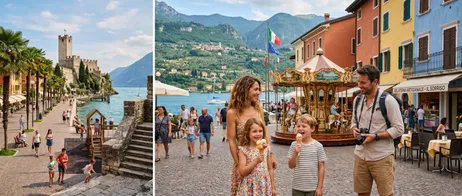
Family-friendly Excursions in Italy
Italy delights families with child-friendly excursions, theme parks and varied vacation days between lakes and coasts.

Adventure Holidays in Italy Between Mountains and Sea
Italy inspires active travelers with hiking, surfing, kayaking and varied outdoor experiences between the Alps and the coast.

Enjoy wellness and thermal spas in Italy with style
From thermal springs to spa retreats in special locations: Italy brings together wellness, nature and stylish relaxation in a gentle and effortless way.
Italy’s lettering culture: from antiquity to espresso
Italy’s lettering culture shapes streets, facades and cafés. Discover Roman inscriptions, everyday typography and a very distinctive aesthetic.
Successfully Market Your Holiday Rental in Italy
How to market your holiday rental in Italy more effectively: five proven approaches for more visibility, more enquiries and better booking opportunities.
Start your Italy holiday well prepared
Good planning makes your Italy holiday more relaxed. Discover tips on getting there, choosing accommodation and shaping a trip that balances culture, coast and culinary pleasures.
