
Baiae: The Sunken Las Vegas of the Roman Empire
Baiae on the Gulf of Naples was a place of luxury and leisure in antiquity. Today, part of the city lies underwater, making it a unique historical witness.
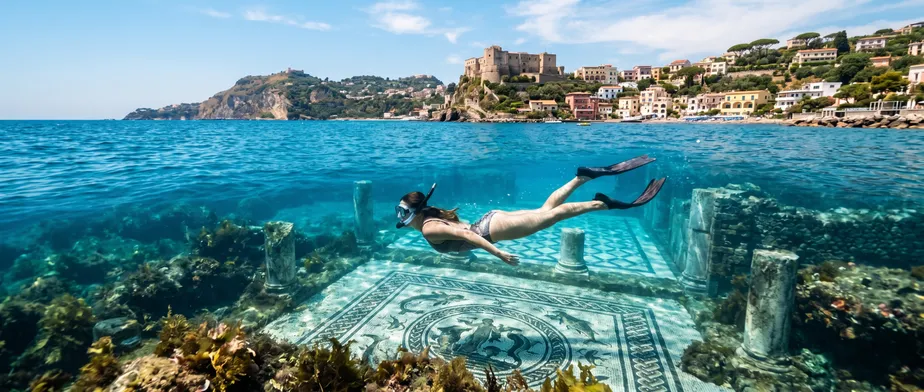
Baiae is a place that instantly sparks the imagination. Located on the northwestern edge of the Gulf of Naples, the city was famous in Roman times for luxury, pleasure and a lifestyle with few restraints. Anyone of rank and reputation came here to bathe, celebrate and escape everyday life. It is no coincidence that Baiae is still often called the sunken Las Vegas of the Roman Empire.
The comparison may be bold, but it gets to the heart of it. Baiae stood for wealth, magnificent villas and a visible culture of indulgence. The town attracted the Roman elite and became a stage for social life, relaxation and excess. This mix of glamour and decadence is what makes Baiae so fascinating even today.
Why Baiae is underwater today
Baiae is remarkable not only for its past, but also for its present state. A large part of the ancient city now lies beneath the sea, at an average depth of about six meters. Just off the coast, an extraordinary underwater landscape has formed, now considered one of the most impressive archaeological sites in Italy.
The remains of the ancient city are not found on land, but below the water’s surface. This gives Baiae an almost unreal atmosphere. The ruins do not appear like a typical excavation site, but like a frozen moment in history that the sea has preserved for centuries.
Between myth, luxury and decline
Baiae thrives on contrasts. On one side is the image of a dazzling resort for the Roman upper class. On the other is the quiet, sunken city that today inspires reverence rather than exuberance. This very tension makes the place so compelling. Where people once celebrated, ancient traces now lie under water, reminding us how fleeting even the most brilliant centers of their time can be.
For travelers who want to experience Italy beyond familiar postcard views, Baiae offers a different perspective. The site combines the appeal of the Gulf of Naples with a story that goes far beyond the usual fascination with ruins. It is not only about old stones, but about an entire way of life that once stood for pleasure and decadence.
A place that makes history tangible
Baiae is more than an ancient attraction. It shows how closely beauty, power and transience can be intertwined. Precisely because so much of the city has sunk, its impact remains strong. The thought that beneath the calm water surface lie the remains of a famous Roman resort makes Baiae a place that lingers in the mind.
Anyone interested in Roman antiquity, the Gulf of Naples or special historic sites in Italy will find in Baiae a subject with true depth, in both the literal and figurative sense. The sunken city offers powerful proof that history can not only be told, but also experienced.
More articles
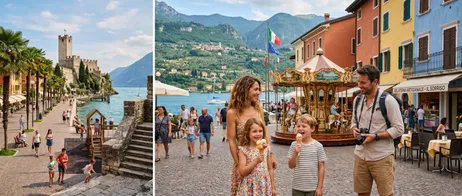
Family-friendly Excursions in Italy
Italy delights families with child-friendly excursions, theme parks and varied vacation days between lakes and coasts.

Adventure Holidays in Italy Between Mountains and Sea
Italy inspires active travelers with hiking, surfing, kayaking and varied outdoor experiences between the Alps and the coast.
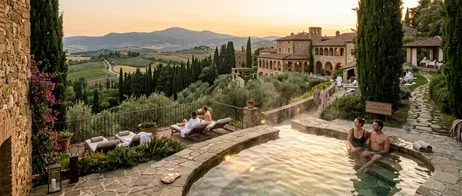
Enjoy wellness and thermal spas in Italy with style
From thermal springs to spa retreats in special locations: Italy brings together wellness, nature and stylish relaxation in a gentle and effortless way.

Start your Italy holiday well prepared
Good planning makes your Italy holiday more relaxed. Discover tips on getting there, choosing accommodation and shaping a trip that balances culture, coast and culinary pleasures.
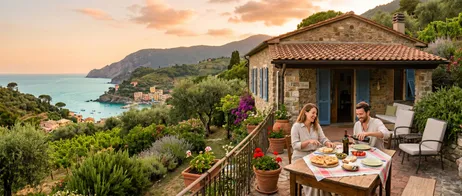
Budget Holidays in Italy: How to Travel on a Small Budget
Italy doesn’t have to be an expensive destination. With smart planning, the right accommodation and affordable activities, you can enjoy a great holiday even on a small budget.
Alberobello: Italy’s Village of Conical Roofs
Alberobello in Puglia fascinates with its trulli, whitewashed round houses and distinctive conical roofs. A place whose unique architecture stays with you.
